

When AI search systems compare brands within a particular category, their selections are shaped by more than a company’s position in traditional search results. These systems interpret information from multiple sources, looking for clear descriptions, relevant evidence, consistent brand details, and connections between products or services. A business may therefore be well established in its market yet rarely appear in AI-generated comparisons if its online information is difficult to interpret or lacks sufficient context. Working with a specialised AI search agency is one approach businesses may consider when examining how their information is represented across these systems. Understanding the selection process reveals why brand mentions depend on both discoverability and the quality of available information.
The User’s Search Intent
AI search systems begin by interpreting what a user wants to discover. A request comparing accounting software, for example, may require identifying products with suitable features, pricing structures, integrations, or intended audiences. The system uses these details to determine which brands are relevant to the comparison. The wording of a question can influence the selection process. A general request may produce well-known brands, while a comparison with specific requirements may surface smaller companies offering relevant solutions. Understanding search intent allows AI systems to narrow available information and construct responses that address the user’s actual needs.
The Importance of Online Information and Brand Visibility
AI systems depend on information available through websites, published content, product descriptions, reviews, and other digital sources. Brands with clear and accessible information are easier to identify when systems retrieve material about a particular category. Consistent descriptions also help establish what a company offers and which audience it serves. If a brand’s website, industry listings, and other sources communicate conflicting information, its relevance may become harder to establish. Maintaining accurate business details and publishing useful category-related content can improve how clearly a brand is represented across the digital environment.

How Authority and Third-Party Sources Influence Selection
Information from established publications, industry websites, specialist reviewers, and reputable directories can influence how brands are represented in AI-generated comparisons. These sources provide additional context about products, services, and market positioning. A company mentioned consistently across relevant publications may have a stronger digital presence than one relying entirely on its own website. However, appearing in authoritative sources does not guarantee inclusion in every AI response. Systems may prioritize different information depending on the question, available evidence, and retrieval methods used to generate an answer.
The Role of Relevance and Supporting Evidence
AI search systems must distinguish between brands that genuinely match a category and those that are only loosely connected. Product capabilities, service descriptions, customer requirements, and documented features can all contribute to this assessment. For example, a comparison of project management platforms may emphasize collaboration tools, reporting functions, or integration options. Brands providing clear evidence of these capabilities are easier to evaluate against the requested criteria. Unsupported marketing claims may be less useful than specific product documentation and independently available information. This makes factual accuracy important when businesses want their offerings represented correctly.
AI search systems select brands for category comparisons by interpreting user intent, retrieving relevant information, and evaluating how well available evidence supports each option. Online visibility, consistent business information, authoritative references, and clearly documented capabilities can all influence brand representation. However, no single SEO technique guarantees inclusion. Businesses should focus on maintaining accurate information, publishing genuinely useful content, and developing a credible presence across relevant digital sources. These efforts create a stronger foundation for visibility as AI-powered search systems become increasingly common.
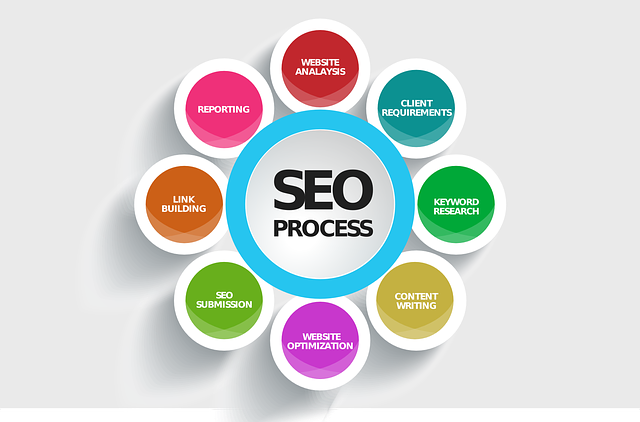



 Advanced data-driven strategies are revolutionizing the SEO landscape. Agencies now utilize sophisticated analytics tools to dive deep into user behavior, search trends, and competitive analysis. By harnessing big data, they can identify what resonates with your target audience. This means crafting content that answers queries while anticipating future needs. Predictive analytics plays a key role in shaping these strategies. It enables agencies to forecast changes in search algorithms and adapt their approaches accordingly. Moreover, A/B testing has become more refined.
 As we move toward 2025, the landscape of